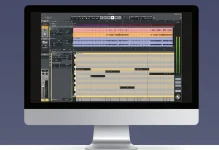
LUNA Studio can detect chords from polyphonic audio and place the results on LUNA’s Chord Track, where compatible ARA tools can follow them. Universal Audio introduced the Moises-powered extraction in LUNA 3.0 as part of the paid Studio tier. The useful bit starts after detection, because those chord events can become instructions for another performance.
A piano demo, guitar recording, or imported song can provide the harmony. Once LUNA maps it, the LUNA 3.0 Chord Track workflow can feed Celemony Tonalic Essential without you typing every chord by hand.
This is different from Audio-to-MIDI. Chord extraction describes the harmony over time, while Audio-to-MIDI attempts to turn a performance into individual editable note events. One gives the session a harmonic map. The other gives you notes.
Automatic chord recognition is not a solved problem. Audio chord estimation research has shown that assigning chord labels to real recordings remains difficult enough that combining audio analysis with symbolic sources can improve results. Dense voicings, inversions, extensions, distortion, and competing instruments can all make a neat chord name harder to infer from a finished recording.
Clean harmonic material is therefore a better starting point than a busy master. A piano or guitar part with clear changes gives the extractor less unrelated information to interpret, while a full mix can contain bass movement, melodic notes, suspended tones, and passing notes that complicate the label.
The Chord Track is useful even when the first pass is imperfect. Correct a C major that should be A minor, move a boundary that landed late, or simplify an over-specific chord before another tool starts following the map. A few edits can be quicker than entering an entire progression from scratch.
The Essential edition bundled with LUNA Studio is more specific than some launch summaries suggest. Celemony says it includes the full Tonalic Engine plus a curated collection of acoustic and electric guitar performances recorded by Uwe Bossert. Bass, drums, percussion, additional players, and deeper editing controls belong to the larger Tonalic editions.
Those guitar parts are audio performances, not MIDI phrases. Tonalic reshapes recordings made by a real musician so they fit the progression and timing of your song, which means changing a chord on LUNA’s timeline can make the same selected performance follow the new harmony.
This creates a useful writing loop. Drop in a rough piano progression, extract its chords, audition a Tonalic guitar part against the song, then alter the Chord Track if the arrangement needs a different turn. The guitar follows the revised harmony without requiring a fresh recording or manual MIDI rewrite.
LUNA and Tonalic also keep their chord handling separate in one important place. Celemony documents that chords from Tonalic’s own preview area cannot simply be dragged into LUNA’s Chords Timeline. For this workflow, LUNA’s Chord Track is the controlling layer.
Listen through the progression before building around it. Simple triads may need little attention, while jazzier harmony, altered chords, slash chords, or sustained notes over moving bass can deserve a closer look. The extractor saves entry work, but your ears still decide whether the labels describe the song well enough.
Tempo and groove remain separate from harmony too. A correct chord sequence does not guarantee a useful accompaniment if the chosen performance has the wrong density, rhythmic feel, or phrasing for the section. Tonalic adapts its source performance, but you still choose the performance that belongs in the arrangement.
The strongest use is not replacing harmonic judgment. It is turning harmony already present in audio into editable session structure, then letting a real recorded guitar performance respond to that structure while the song is still changing.
A piano demo, guitar recording, or imported song can provide the harmony. Once LUNA maps it, the LUNA 3.0 Chord Track workflow can feed Celemony Tonalic Essential without you typing every chord by hand.
This is different from Audio-to-MIDI. Chord extraction describes the harmony over time, while Audio-to-MIDI attempts to turn a performance into individual editable note events. One gives the session a harmonic map. The other gives you notes.
Chord extraction turns recorded harmony into session data
LUNA Studio’s chord extraction works on polyphonic audio, so the source can contain several notes sounding together. The result populates the Chord Track rather than creating a new MIDI performance. You can then edit the detected harmony if a label or change point needs fixing.Automatic chord recognition is not a solved problem. Audio chord estimation research has shown that assigning chord labels to real recordings remains difficult enough that combining audio analysis with symbolic sources can improve results. Dense voicings, inversions, extensions, distortion, and competing instruments can all make a neat chord name harder to infer from a finished recording.
Clean harmonic material is therefore a better starting point than a busy master. A piano or guitar part with clear changes gives the extractor less unrelated information to interpret, while a full mix can contain bass movement, melodic notes, suspended tones, and passing notes that complicate the label.
The Chord Track is useful even when the first pass is imperfect. Correct a C major that should be A minor, move a boundary that landed late, or simplify an over-specific chord before another tool starts following the map. A few edits can be quicker than entering an entire progression from scratch.
Tonalic follows the chord track without becoming MIDI
Tonalic Essential is where the extracted harmony becomes more than a label above the timeline. In LUNA 3.0, Tonalic can run through ARA, read the session’s chord information, and adapt its performances to the song’s harmony, tempo, and groove.The Essential edition bundled with LUNA Studio is more specific than some launch summaries suggest. Celemony says it includes the full Tonalic Engine plus a curated collection of acoustic and electric guitar performances recorded by Uwe Bossert. Bass, drums, percussion, additional players, and deeper editing controls belong to the larger Tonalic editions.
Those guitar parts are audio performances, not MIDI phrases. Tonalic reshapes recordings made by a real musician so they fit the progression and timing of your song, which means changing a chord on LUNA’s timeline can make the same selected performance follow the new harmony.
This creates a useful writing loop. Drop in a rough piano progression, extract its chords, audition a Tonalic guitar part against the song, then alter the Chord Track if the arrangement needs a different turn. The guitar follows the revised harmony without requiring a fresh recording or manual MIDI rewrite.
LUNA and Tonalic also keep their chord handling separate in one important place. Celemony documents that chords from Tonalic’s own preview area cannot simply be dragged into LUNA’s Chords Timeline. For this workflow, LUNA’s Chord Track is the controlling layer.
Wrong chord labels can reshape the wrong performance
The convenience depends on the harmonic map being sensible. If extraction mistakes an inversion, extension, or passing harmony for a different chord, a session player following the track can adapt confidently to the wrong instruction. The error becomes more obvious once a new guitar part starts outlining it.Listen through the progression before building around it. Simple triads may need little attention, while jazzier harmony, altered chords, slash chords, or sustained notes over moving bass can deserve a closer look. The extractor saves entry work, but your ears still decide whether the labels describe the song well enough.
Tempo and groove remain separate from harmony too. A correct chord sequence does not guarantee a useful accompaniment if the chosen performance has the wrong density, rhythmic feel, or phrasing for the section. Tonalic adapts its source performance, but you still choose the performance that belongs in the arrangement.
The strongest use is not replacing harmonic judgment. It is turning harmony already present in audio into editable session structure, then letting a real recorded guitar performance respond to that structure while the song is still changing.