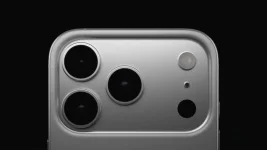
Apple launched the Camera Control feature on iPhone 16 Pro and Pro Max models during 2024. The company designed this physical button to replicate traditional camera functions and enhance photography workflows. Marketing campaigns positioned these flagship devices as professional-grade tools for both casual photographers and industry experts. The hardware addition aimed to provide tactile precision that software interfaces cannot match. Technical specifications emphasized the seamless integration between physical controls and digital photography systems.
Reports from Weibo sources indicate Apple plans to eliminate this feature from iPhone 18 models. Manufacturing executives cite insufficient user adoption rates and elevated production expenses as primary factors. Professional photographers embraced the button's functionality and customization options with enthusiasm. Average consumers demonstrated minimal engagement with the physical control mechanism. Market research reveals that mainstream users prefer simplified interfaces over complex hardware additions.
The technology giant appears ready to prioritize artificial intelligence-driven photography enhancements over dedicated hardware components. This strategic shift mirrors Apple's previous decision to discontinue 3D Touch technology after poor market reception.
Reports from Weibo sources indicate Apple plans to eliminate this feature from iPhone 18 models. Manufacturing executives cite insufficient user adoption rates and elevated production expenses as primary factors. Professional photographers embraced the button's functionality and customization options with enthusiasm. Average consumers demonstrated minimal engagement with the physical control mechanism. Market research reveals that mainstream users prefer simplified interfaces over complex hardware additions.
The technology giant appears ready to prioritize artificial intelligence-driven photography enhancements over dedicated hardware components. This strategic shift mirrors Apple's previous decision to discontinue 3D Touch technology after poor market reception.