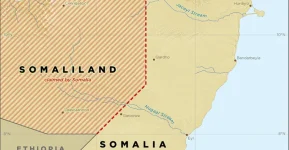
Israel just recognized Somaliland, and everyone else is telling them to get bent. The European Union publicly shot down Israel's move to treat Somaliland as its own country, siding with Somalia's claim over the breakaway region. This EU statement puts the bloc next to a bunch of other groups like the African Union and the Arab League, which also said no way. Israel, under Prime Minister Benjamin Netanyahu, made its deal with Somaliland's leader Abdirahman Mohamed Abdullahi, framing it as part of the Abraham Accords spirit. The reaction from pretty much everyone else was instant and negative.
Somalia's government in Mogadishu, led by President Hassan Sheikh Mohamud, called the recognition illegal and an attack on their sovereignty. A long list of countries, from Egypt and Turkey to Saudi Arabia and China, also rejected the move. Major regional organizations all agreed, warning that this could mess up stability across the Horn of Africa. They all keep pointing to the need to respect Somalia's borders as they currently stand under international law. Even with some parties celebrating in Somaliland's capital, Hargeisa, analysts see this leaving Israel pretty alone on the diplomatic front.
The EU specifically stressed that Somalia's unity and territorial integrity are non-negotiable, citing the UN and AU charters. Their official communication urged the federal government in Mogadishu and authorities in Hargeisa to talk it out and find a peaceful solution through negotiation. The bloc framed respecting Somalia's borders as a critical factor for peace in the whole region. This collective pushback seems to have strengthened Somalia's standing globally, highlighting how little international support exists for changing borders in this case.
Somalia's government in Mogadishu, led by President Hassan Sheikh Mohamud, called the recognition illegal and an attack on their sovereignty. A long list of countries, from Egypt and Turkey to Saudi Arabia and China, also rejected the move. Major regional organizations all agreed, warning that this could mess up stability across the Horn of Africa. They all keep pointing to the need to respect Somalia's borders as they currently stand under international law. Even with some parties celebrating in Somaliland's capital, Hargeisa, analysts see this leaving Israel pretty alone on the diplomatic front.
The EU specifically stressed that Somalia's unity and territorial integrity are non-negotiable, citing the UN and AU charters. Their official communication urged the federal government in Mogadishu and authorities in Hargeisa to talk it out and find a peaceful solution through negotiation. The bloc framed respecting Somalia's borders as a critical factor for peace in the whole region. This collective pushback seems to have strengthened Somalia's standing globally, highlighting how little international support exists for changing borders in this case.