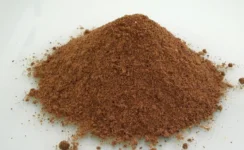
Fish feed prices are absolutely murdering Nigerian fish farmers. The country is the biggest buyer of fishmeal in the region, yet it has a massive shortfall, needing about 3.6 million metric tons but only making around 1.2 million locally. This gap forces a huge import bill, over a billion dollars yearly, for supplies from places like Brazil, Morocco, Chile, and Peru. Major brands like Skretting and Aller Aqua dominate the high-end market. The crash in the Nigerian Naira’s value has spiked the cost of a bag of feed to roughly 42,000 Naira, a brutal hike that is sinking small-scale farmers who raise catfish and tilapia. Industry voices like FCFN President Mashi Sani point to a lack of local feed production and bad infrastructure as core problems, stressing that Nigeria’s heavy reliance on imports is killing jobs and draining cash.
The financial squeeze is relentless, with feed making up most of a farm’s costs. Experts like Professor Udeme Isong Enin from the University of Calabar note that quality feed needs high protein content, which currently means expensive imports. Global chaos, from the war in Ukraine disrupting grain supplies to general supply chain breaks, has made everything worse. Farmers face impossible hurdles like terrible credit access, high interest rates, and no insurance. Proposed fixes involve creating a special fund with low interest for fisheries, pushing cooperative finance, and getting private money through partnerships. The situation is so dire that it has sparked a food versus feed crisis, where small fish like sardinella get processed for export meal instead of feeding local communities.
People are scrambling for alternatives to break this cycle. Research into using things like Black Soldier Fly larvae for protein is gaining steam, with groups like the Raw Materials Research and Development Council running training programs. Despite a new industrial complex in Mauritania boosting African fishmeal output, that product mostly gets shipped to China and Europe, not to Nigerian farms. Retired professor Martins Anetekhai highlighted the need to use local resources better, like extracting oil from cultured catfish, which usually gets wasted, for use in feed or other products. The overall forecast is grim, with international reports predicting actual shortages of fishmeal and oil within a few years, guaranteeing even more price insanity and volatility for farmers already on the edge.
The financial squeeze is relentless, with feed making up most of a farm’s costs. Experts like Professor Udeme Isong Enin from the University of Calabar note that quality feed needs high protein content, which currently means expensive imports. Global chaos, from the war in Ukraine disrupting grain supplies to general supply chain breaks, has made everything worse. Farmers face impossible hurdles like terrible credit access, high interest rates, and no insurance. Proposed fixes involve creating a special fund with low interest for fisheries, pushing cooperative finance, and getting private money through partnerships. The situation is so dire that it has sparked a food versus feed crisis, where small fish like sardinella get processed for export meal instead of feeding local communities.
People are scrambling for alternatives to break this cycle. Research into using things like Black Soldier Fly larvae for protein is gaining steam, with groups like the Raw Materials Research and Development Council running training programs. Despite a new industrial complex in Mauritania boosting African fishmeal output, that product mostly gets shipped to China and Europe, not to Nigerian farms. Retired professor Martins Anetekhai highlighted the need to use local resources better, like extracting oil from cultured catfish, which usually gets wasted, for use in feed or other products. The overall forecast is grim, with international reports predicting actual shortages of fishmeal and oil within a few years, guaranteeing even more price insanity and volatility for farmers already on the edge.