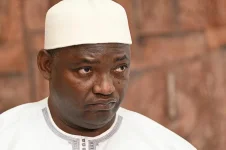
The real problem isn't the guy sitting in the big chair; it's the whole damn throne he's sitting on. That's the argument from a recent analysis of The Gambia, tracing a straight line from Jawara to Jammeh to Barrow. Each leader just operated the same predatory state machinery, a system built on two main pillars. The first is a cultural one, framing the president as a sacred, untouchable king, a Mansa. The second is a legal one, using confusing laws like the State Lands Act to quietly take land from regular people. Together, this setup makes corruption and theft the standard way to run the country.
This cultural engine runs on borrowed prestige, merging old ideas of kingship, or Mansayaa, with the modern presidency. It's a script that works across ethnic groups, teaching people to see their leader as a chosen benefactor, not a hired employee. Jawara started it, Jammeh turned it into a violent cult of personality, and Barrow, despite promises of change, just settled into the same role. The performance is funded by massive public debt, now over 82 billion dalasis, allowing a president to take credit for projects while shackling future generations with the bill. The system even controls language, officially using terms like Mansa Kunda to condition citizens into being obedient subjects rather than demanding owners of their government.
The legal side enables direct theft, especially of land. The state uses complex, opaque processes to take ancestral property, often in the Kombos, and hand it to connected elites. This works because of widespread civic illiteracy, where people can't understand the official notices used to seize what's theirs. A permanent coalition of gatekeepers, from bureaucrats to business figures, keeps this machine running no matter who wins an election. Most opposition parties just want to take control of this same corrupt system, not break it, which is why elections change the face but not the function.
Fixing this requires a total system change, not a new leader. The first fight is over language and ideas, replacing Mansa with Ñaatonko, or servant, and the state as Jamaa Kunda, the people's house. The second, parallel fight is arming citizens with practical knowledge, teaching them to trace land leases and challenge dispossession. This demands a new Community Land Rights Act to repeal the old predatory laws and protect customary land with true community consent. Until these foundational walls of cultural deference and legal confusion are torn down, swapping out presidents is just redecorating a house built to fail.
This cultural engine runs on borrowed prestige, merging old ideas of kingship, or Mansayaa, with the modern presidency. It's a script that works across ethnic groups, teaching people to see their leader as a chosen benefactor, not a hired employee. Jawara started it, Jammeh turned it into a violent cult of personality, and Barrow, despite promises of change, just settled into the same role. The performance is funded by massive public debt, now over 82 billion dalasis, allowing a president to take credit for projects while shackling future generations with the bill. The system even controls language, officially using terms like Mansa Kunda to condition citizens into being obedient subjects rather than demanding owners of their government.
The legal side enables direct theft, especially of land. The state uses complex, opaque processes to take ancestral property, often in the Kombos, and hand it to connected elites. This works because of widespread civic illiteracy, where people can't understand the official notices used to seize what's theirs. A permanent coalition of gatekeepers, from bureaucrats to business figures, keeps this machine running no matter who wins an election. Most opposition parties just want to take control of this same corrupt system, not break it, which is why elections change the face but not the function.
Fixing this requires a total system change, not a new leader. The first fight is over language and ideas, replacing Mansa with Ñaatonko, or servant, and the state as Jamaa Kunda, the people's house. The second, parallel fight is arming citizens with practical knowledge, teaching them to trace land leases and challenge dispossession. This demands a new Community Land Rights Act to repeal the old predatory laws and protect customary land with true community consent. Until these foundational walls of cultural deference and legal confusion are torn down, swapping out presidents is just redecorating a house built to fail.