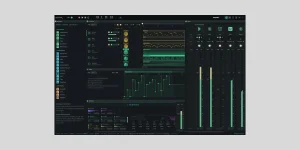
OpenDAW added private Google Drive and Dropbox backup in September 2026, giving browser projects an off-device copy without routing passwords through OpenDAW. The feature matters because your working project still starts life locally, inside the browser, unless you deliberately export or sync it somewhere else.
The OpenDAW browser production workflow keeps projects close to the machine instead of forcing every session through an account or hosted workspace. Great for privacy and quick access. Backing up OpenDAW projects matters most when your browser copy is the only one you have.
Cloud backup adds another place for the project to live, but it is worth knowing what OpenDAW is actually doing. It is not quietly turning the app into Google Docs for music, and it is not replacing manual project exports with an unlimited history of old sessions.
Each backup sends new and changed projects and samples, updates the catalog, and removes items you deleted. In practical terms, this is much closer to keeping a second current copy than creating a stack of frozen recovery points you can rewind through forever.
A version-controlled backup system is built around retaining recoverable states rather than simply mirroring the newest file set. OpenDAW does not currently describe its Drive or Dropbox feature as that kind of version-history system, so it is safer to treat sync as protection against having only one local copy.
Deletion behavior is the bit worth noticing. OpenDAW says deleted projects and samples are removed during backup, which is sensible for keeping the cloud catalog clean, but it also means you should not assume a deleted session will sit there indefinitely waiting for rescue.
Google Drive or Dropbox may have their own trash, retention, or version features depending on the account and file involved, but those are separate from OpenDAW’s published backup behavior. If an old session really matters, keep a deliberate exported copy rather than betting the song on provider-side recovery rules.
A sensible setup is boring on purpose. Let cloud backup keep the current working material copied off the browser, then export an .odb bundle at moments you would actually want to return to later. Before a mix overhaul is obvious. Before replacing half the sounds is another good one.
The two copies solve different problems. Cloud sync reduces the chance that the browser-local project is your only surviving copy, while an .odb export gives you something portable that does not need to follow every later edit or deletion.
You can also store those bundles outside the same cloud account if the project is important enough. A second drive, another storage provider, or an offline disk gives you separation from account problems and accidental changes that might otherwise affect both the working copy and its synced partner.
Give important projects names you can recognize without opening them, sync after major changes, and make an .odb snapshot when you reach a version you would hate to rebuild. None of this needs an elaborate studio IT ritual. It just stops one browser database from carrying your whole week.
Check the cloud account occasionally as well. You want to know the backup is landing where you think it is, especially after changing browsers, signing into another Google or Dropbox account, or cleaning up old projects.
If you disconnect cloud backup, verify your local project and exported .odb before deleting synced data from the cloud settings. OpenDAW exposes disconnect and deletion as separate controls, so it is worth treating them as separate actions too.
The OpenDAW browser production workflow keeps projects close to the machine instead of forcing every session through an account or hosted workspace. Great for privacy and quick access. Backing up OpenDAW projects matters most when your browser copy is the only one you have.
Cloud backup adds another place for the project to live, but it is worth knowing what OpenDAW is actually doing. It is not quietly turning the app into Google Docs for music, and it is not replacing manual project exports with an unlimited history of old sessions.
Browser storage stops being your only copy
OpenDAW connects to Google Drive or Dropbox through OAuth, then syncs project data into your own cloud account. OpenDAW says your password and personal data do not pass through its service, so the storage relationship remains between you and the cloud provider you connected.Each backup sends new and changed projects and samples, updates the catalog, and removes items you deleted. In practical terms, this is much closer to keeping a second current copy than creating a stack of frozen recovery points you can rewind through forever.
A version-controlled backup system is built around retaining recoverable states rather than simply mirroring the newest file set. OpenDAW does not currently describe its Drive or Dropbox feature as that kind of version-history system, so it is safer to treat sync as protection against having only one local copy.
Deletion behavior is the bit worth noticing. OpenDAW says deleted projects and samples are removed during backup, which is sensible for keeping the cloud catalog clean, but it also means you should not assume a deleted session will sit there indefinitely waiting for rescue.
Google Drive or Dropbox may have their own trash, retention, or version features depending on the account and file involved, but those are separate from OpenDAW’s published backup behavior. If an old session really matters, keep a deliberate exported copy rather than betting the song on provider-side recovery rules.
ODB exports give you a manual recovery point
OpenDAW can export a project as an .odb bundle containing the project and its samples and soundfonts. Unlike live cloud sync, that file can be copied somewhere and left alone, which makes it useful when you want a stable snapshot before a risky edit, a big arrangement change, or a long break from the project.A sensible setup is boring on purpose. Let cloud backup keep the current working material copied off the browser, then export an .odb bundle at moments you would actually want to return to later. Before a mix overhaul is obvious. Before replacing half the sounds is another good one.
The two copies solve different problems. Cloud sync reduces the chance that the browser-local project is your only surviving copy, while an .odb export gives you something portable that does not need to follow every later edit or deletion.
You can also store those bundles outside the same cloud account if the project is important enough. A second drive, another storage provider, or an offline disk gives you separation from account problems and accidental changes that might otherwise affect both the working copy and its synced partner.
Private cloud backup still needs a small routine
Connecting Drive or Dropbox is not the end of the job. OpenDAW lets you disconnect the cloud service or delete synced data from its cloud settings, so knowing which account is connected matters if you bounce between personal and work logins.Give important projects names you can recognize without opening them, sync after major changes, and make an .odb snapshot when you reach a version you would hate to rebuild. None of this needs an elaborate studio IT ritual. It just stops one browser database from carrying your whole week.
Check the cloud account occasionally as well. You want to know the backup is landing where you think it is, especially after changing browsers, signing into another Google or Dropbox account, or cleaning up old projects.
If you disconnect cloud backup, verify your local project and exported .odb before deleting synced data from the cloud settings. OpenDAW exposes disconnect and deletion as separate controls, so it is worth treating them as separate actions too.