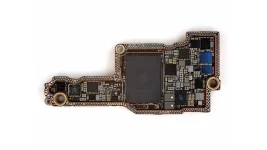
Apple is reportedly facing a massive price increase for a critical phone component, which could pressure its profit margins. The cost for a twelve-gigabyte LPDDR5X memory chip has jumped to seventy dollars, a huge leap from the twenty five to twenty nine dollar range earlier this year. This shortage comes as Apple's long-term supply contracts with major manufacturers Samsung and SK hynix are set to expire soon. The company is said to be formulating strategies to counter these rising costs, having already secured a large batch of chips before the price surge.
If the global DRAM shortage continues, Apple may need to raise prices for future iPhone models. The upcoming iPhone 18 series is expected to use a faster six-channel memory configuration to boost artificial intelligence performance, making the component even more crucial. Samsung currently supplies the majority of these chips for Apple. The tech giant does have some financial buffer, as moving to its own in-house cellular modem and processors reduces its payments to other chip companies like Qualcomm.
Industry analysts predict the memory shortage could last for several more years. This situation might force Apple's competitors to compromise on device specifications or absorb higher costs. Apple's ability to manage its supply chain and potentially pass costs to consumers will be tested as it prepares for next year's flagship phone production.
If the global DRAM shortage continues, Apple may need to raise prices for future iPhone models. The upcoming iPhone 18 series is expected to use a faster six-channel memory configuration to boost artificial intelligence performance, making the component even more crucial. Samsung currently supplies the majority of these chips for Apple. The tech giant does have some financial buffer, as moving to its own in-house cellular modem and processors reduces its payments to other chip companies like Qualcomm.
Industry analysts predict the memory shortage could last for several more years. This situation might force Apple's competitors to compromise on device specifications or absorb higher costs. Apple's ability to manage its supply chain and potentially pass costs to consumers will be tested as it prepares for next year's flagship phone production.