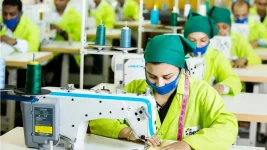
Bangladesh's garment industry is facing widespread factory shutdowns as political instability and financial pressures lead to closures across the nation's primary export sector. The Bangladesh Garment Manufacturers and Exporters Association reports 182 facilities ceased operations between January 2024 and September 2025, displacing nearly 109,275 workers. Industrial Police data indicate that 258 factories have permanently closed over the past year, with 57 shutdowns directly linked to political turmoil after owners fled the country.
The crisis stems from multiple factors, including the absence of factory owners, banking complications, reduced foreign orders, and labor disputes. Worker unrest affected 130 facilities over the year, with protests continuing at 34 locations due to unpaid wages and poor working conditions. Economic analyst Mashrur Riaz warns that the disruption threatens Bangladesh's economy despite rising global export demand that could benefit from U.S. trade tensions.
New factory openings provide limited relief. While 165 new garment facilities joined the association and employed 97,866 workers, the net result shows 17 fewer factories and 11,409 lost jobs. Socialist Workers' Front President Razequzzaman Ratan calls for an emergency worker fund, stronger government oversight, and reduced political interference to stabilize the 40-year-old industry.
The crisis stems from multiple factors, including the absence of factory owners, banking complications, reduced foreign orders, and labor disputes. Worker unrest affected 130 facilities over the year, with protests continuing at 34 locations due to unpaid wages and poor working conditions. Economic analyst Mashrur Riaz warns that the disruption threatens Bangladesh's economy despite rising global export demand that could benefit from U.S. trade tensions.
New factory openings provide limited relief. While 165 new garment facilities joined the association and employed 97,866 workers, the net result shows 17 fewer factories and 11,409 lost jobs. Socialist Workers' Front President Razequzzaman Ratan calls for an emergency worker fund, stronger government oversight, and reduced political interference to stabilize the 40-year-old industry.