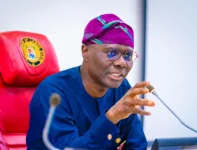
The Lagos governor laid out new tax changes set to start next year. Babajide Sanwo-Olu said the reforms aim to build a system that boosts national economic growth. He spoke at a state-organized tax summit in Lagos, calling the plan the Lagos Implementation Roadmap. The governor explained that the adjustments are meant to be fair, predictable, and encourage people to follow the rules. He positioned Lagos as the main local driver for putting these national reforms into practice.
Sanwo-Olu framed taxation as a social contract, arguing that people pay more willingly when they trust the government. His special adviser on taxation, Abdul Kabir Ogungbo, gave the opening remarks. He credited the president for taking bold steps to simplify confusing tax laws. Ogungbo pointed out that Lagos handles a huge part of the country's population and economic activity, yet its combined budget with local councils is still under ten percent of the federal amount. He said the summit aimed to make tax reform clearer for regular citizens, eliminating overlapping collections between state and local authorities.
A key goal is creating a single revenue portal for all local governments that connects to the state system, using the national ID number as a base identifier. The chairman of the presidential tax committee, Taiwo Oyedele, also spoke, urging state and local governments to work together for easier compliance. He stressed the need for good data collection to help plan and fund infrastructure. The state finance commissioner, Abayomi Oluyomi, stated the debate is over, and the hard work of actual implementation must now begin, as funding for public services depends on it.
Sanwo-Olu framed taxation as a social contract, arguing that people pay more willingly when they trust the government. His special adviser on taxation, Abdul Kabir Ogungbo, gave the opening remarks. He credited the president for taking bold steps to simplify confusing tax laws. Ogungbo pointed out that Lagos handles a huge part of the country's population and economic activity, yet its combined budget with local councils is still under ten percent of the federal amount. He said the summit aimed to make tax reform clearer for regular citizens, eliminating overlapping collections between state and local authorities.
A key goal is creating a single revenue portal for all local governments that connects to the state system, using the national ID number as a base identifier. The chairman of the presidential tax committee, Taiwo Oyedele, also spoke, urging state and local governments to work together for easier compliance. He stressed the need for good data collection to help plan and fund infrastructure. The state finance commissioner, Abayomi Oluyomi, stated the debate is over, and the hard work of actual implementation must now begin, as funding for public services depends on it.