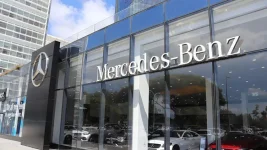
This car finance disaster is costing the German giant some serious bank. Mercedes-Benz Financial Services UK reported a massive loss of over three hundred sixty-four million pounds, as the company prepares for a wave of legal claims regarding bad vehicle financing. This specific division, located in Milton Keynes, set aside four hundred twenty-three million pounds to settle issues where dealerships allegedly hid commission details from buyers. The Financial Conduct Authority estimates the total cost across the entire market might hit the sector for eleven billion pounds, since millions of people likely overpaid on their monthly installments. While the regulator plans to launch a massive refund program, the current figures from this manufacturer represent the largest amount any vehicle brand has reserved to handle the mess.
Regulators suggest that the average person could get back about seven hundred pounds per agreement if they signed papers with hidden fees over the last fifteen years. This specific controversy centers on how lenders allowed brokers to hike interest rates to pad their commissions without telling the person behind the wheel. The industry-wide investigation found that these secret deals prevented customers from finding a better price or negotiating a fair rate.
A recent ruling from the highest court provided the legal backing needed to move forward with these payouts. This decision forced several major banks and lenders to admit that failing to disclose these financial ties was actually illegal under consumer protection laws. Lloyds Banking Group currently holds nearly two billion pounds for potential refunds, while other rivals like BMW also have hundreds of millions tucked away for the fallout.
The final framework for how people get their cash should arrive within the next few months, as the government wraps up its discussions with the impacted firms. Officials extended the time companies have to respond to these complaints until later this year to make sure the system handles the volume of requests properly. Many lenders tried to fight back against the scale of the plan, yet the sheer size of these financial holes shows how deep the problem goes within the sector.
This episode marks one of the biggest financial scandals for regular people in the history of the region. The impact hits carmakers and banks alike, showing that the age of hiding sneaky fees from customers is finally catching up with the big players. People who think they got a raw deal are already logging their details to ensure they get their slice of the multibillion-pound pie.
Regulators suggest that the average person could get back about seven hundred pounds per agreement if they signed papers with hidden fees over the last fifteen years. This specific controversy centers on how lenders allowed brokers to hike interest rates to pad their commissions without telling the person behind the wheel. The industry-wide investigation found that these secret deals prevented customers from finding a better price or negotiating a fair rate.
A recent ruling from the highest court provided the legal backing needed to move forward with these payouts. This decision forced several major banks and lenders to admit that failing to disclose these financial ties was actually illegal under consumer protection laws. Lloyds Banking Group currently holds nearly two billion pounds for potential refunds, while other rivals like BMW also have hundreds of millions tucked away for the fallout.
The final framework for how people get their cash should arrive within the next few months, as the government wraps up its discussions with the impacted firms. Officials extended the time companies have to respond to these complaints until later this year to make sure the system handles the volume of requests properly. Many lenders tried to fight back against the scale of the plan, yet the sheer size of these financial holes shows how deep the problem goes within the sector.
This episode marks one of the biggest financial scandals for regular people in the history of the region. The impact hits carmakers and banks alike, showing that the age of hiding sneaky fees from customers is finally catching up with the big players. People who think they got a raw deal are already logging their details to ensure they get their slice of the multibillion-pound pie.