Namibia has outlined a substantial financial need to adapt key sectors vulnerable to climate change, estimating that over N$100.8 billion will be required. Of this, approximately 90% depends on international assistance. The country has identified eight sectors crucial for its climate resilience, including agriculture, water resources, fisheries, and health, among others.
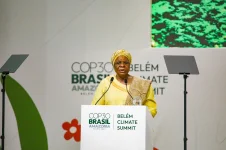
President Netumbo Nandi-Ndaitwah shared these figures during her address at the 30th United Nations Climate Change Conference (COP30) in Brazil. She stated that adaptation efforts across these sectors would cost about US$6 billion, with international support being essential for most of the funding. Additionally, mitigation efforts are projected to require US$9 billion, with only 10% expected to come from domestic sources. The COP30 conference, which runs until November 21, brings together 197 countries to address global climate action, focusing on reducing emissions and advancing financial commitments from previous conferences. Nandi-Ndaitwah also highlighted Namibia's progress with the Oshivela project, a green hydrogen-powered iron plant, which is set to reduce carbon emissions by 27,000 tonnes.
President Netumbo Nandi-Ndaitwah shared these figures during her address at the 30th United Nations Climate Change Conference (COP30) in Brazil. She stated that adaptation efforts across these sectors would cost about US$6 billion, with international support being essential for most of the funding. Additionally, mitigation efforts are projected to require US$9 billion, with only 10% expected to come from domestic sources. The COP30 conference, which runs until November 21, brings together 197 countries to address global climate action, focusing on reducing emissions and advancing financial commitments from previous conferences. Nandi-Ndaitwah also highlighted Namibia's progress with the Oshivela project, a green hydrogen-powered iron plant, which is set to reduce carbon emissions by 27,000 tonnes.