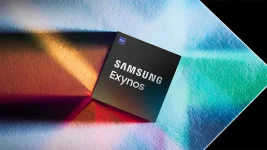
Samsung develops its Exynos 2600 processor through prototype production using advanced 2nm GAA manufacturing technology. The company addresses persistent thermal management problems that plagued previous chip generations despite vapor chamber cooling systems. Engineers will integrate Heat Pass Block technology to enhance heat dissipation capabilities within smartphone designs. This thermal solution allows the processor to maintain peak performance levels during extended usage periods.
The new architecture positions both DRAM memory and Heat Pass Block components directly above the main processor die. Samsung applies Fan-out Wafer Level Packaging technology from the Exynos 2400 to boost heat resistance and multi-core processing power. Recent benchmark tests revealed the chip operates at 3.55GHz maximum frequency, trailing behind competitor designs like the Cortex-X925 found in MediaTek processors. These thermal improvements should enable higher operating frequencies while preventing performance throttling from excessive heat generation.
The processor targets competition against Qualcomm's Snapdragon 8 Elite Gen 2 and MediaTek's Dimensity 9500 platforms. Samsung may announce the Exynos 2600 before year-end, ahead of the Galaxy S26 series launch in early 2026.
The new architecture positions both DRAM memory and Heat Pass Block components directly above the main processor die. Samsung applies Fan-out Wafer Level Packaging technology from the Exynos 2400 to boost heat resistance and multi-core processing power. Recent benchmark tests revealed the chip operates at 3.55GHz maximum frequency, trailing behind competitor designs like the Cortex-X925 found in MediaTek processors. These thermal improvements should enable higher operating frequencies while preventing performance throttling from excessive heat generation.
The processor targets competition against Qualcomm's Snapdragon 8 Elite Gen 2 and MediaTek's Dimensity 9500 platforms. Samsung may announce the Exynos 2600 before year-end, ahead of the Galaxy S26 series launch in early 2026.