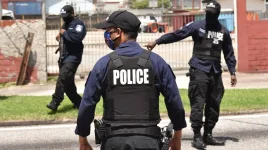
The Trinidad and Tobago government tried to rush sweeping security powers, senators shut it down, and the clock ran out with zero fallback plan.
Senate vote derailment
Senate vote derailment
- The Upper House blocked the security bill outright.
- No Independent Senator backed the proposal.
- The supermajority threshold stayed unmet.
- Let the Prime Minister label crime hotspots.
- Expand police and military reach inside zones.
- Allow curfews, searches, and short-term detentions.
- Pair force with community development committees.
- The government refused every proposed change.
- Time pressure from the emergency expiry drove the stance.
- Independents bristled at take-it-or-leave-it tactics.
- John Jeremie admitted amendments were significant.
- He argued that debate time simply was not there.
- He said oversight already existed elsewhere.
- He apologized for the hardline approach.
- Anthony Vieira said expectations were misread.
- Desiree Murray pushed mandatory body cameras.
- Courtney Mc Nish chose to abstain.
- Others cited accountability gaps.
- Kamla Persad-Bissessar attacked critics publicly.
- She framed opposition as crime-friendly.
- Independents rejected that framing outright.
- Emergency powers end January 31.
- The ZOSO framework stays inactive.
- Crime strategy resets under political strain.