People worried when they saw armored tanks driving through the streets of Harare. Many thought another military takeover might happen in Zimbabwe. Someone asked what was happening on social media. Another person remembered the last time tanks appeared, and a government change followed.
Nick Mangwana, speaking for the government, quickly told everyone not to worry. He explained that these tanks were just tested equipment as part of regular military exercises. Despite his reassurance, discussions continued among citizens, revealing deep concerns about the current national situation.
Earlier, President Emmerson Mnangagwa faced harsh criticism from members inside his Zanu-PF party. For the first time since becoming president in 2017, party members openly asked him to resign. These challenges reminded many of events that led to Robert Mugabe's loss of power.
Mugabe had led since 1980 as the hero who ended white-minority control. His power weakened when veterans from the 1970s independence war withdrew their backing. A similar pattern emerged as Blessed Geza, a war veteran and high-ranking Zanu-PF member called "Bombshell," began publicly attacking Mnangagwa.
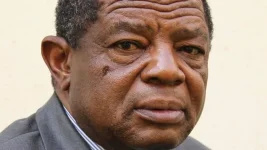
Geza became furious when certain party members pushed to change laws letting the president seek a third term. Through several angry press conferences shared online, he repeatedly demanded that the 82-year-old leader leave office or face removal. Speaking with a rough voice and serious expression, he made his position very clear.
"I must apologize for helping him become president," Geza said about Mnangagwa, nicknamed "The Crocodile." He blamed the president for increasing corruption after gaining power. Geza claimed Mnangagwa forgot regular citizens and only focused on his family. He also accused him of giving state authority to his wife and children.
Zanu-PF strongly responded to these "disloyal" remarks, later calling them "treason." This forced Geza into hiding. From a secret location, he keeps making threats through social media representatives, hinting at future protests. Police want to arrest him on four charges, including vehicle theft, undermining presidential authority, and encouraging public violence.
Officials also arrested Blessed Mhlanga, the journalist who first interviewed Geza in November. He faces charges of sending messages that encourage violence. Issues began during Zanu-PF rallies last year about Mnangagwa staying in office. He currently serves his second and final term, ending in 2028.
His supporters started saying "2030 he will still be the leader" despite constitutional limits of two five-year presidential terms. They argued that he needed to remain in charge to complete his "Agenda 2030" development program because he performed exceptionally well. At the December party conference, members passed a motion indirectly supporting a term extension until 2030.
Mnangagwa recently promised he would leave office in three years, but influential Catholic bishops became involved anyway. In a letter last week, Zimbabwe's Catholic Bishops Conference warned that this 2030 debate distracted from truly important issues. They pointed to business closures, high unemployment, rampant corruption, and economic policies benefiting rich people instead of average Zimbabweans.
George Charamba, speaking for the president, expressed disappointment about the religious leaders' statement. He told the state newspaper the matter had ended. Still, Geza's message appears to have made an impact. It caused a cleanup within Zanu-PF, resulting in Geza and several allies losing their positions.
Political expert Takura Zhangazha believes Geza's complaints probably won't attract large crowds to support him. He says people today show less interest in such political drama, unlike during Mugabe's fall when Zimbabweans across political lines supported that change. They thanked both military forces and war veterans during that period.
"Even attempts by Geza to talk about corruption and worker problems won't make people angry enough to organize. They lack both ability and interest these days," Zhangazha told reporters. He predicted no repeat of 2017 before 2028, adding that Zimbabweans felt used when Mugabe lost power and wouldn't protest again for internal party fights.
This happens partly because political divisions exist everywhere, including a weak opposition. Even war veterans disagree among themselves, according to Zhangazha. Geza previously supported Vice-President Constantine Chiwenga, the 68-year-old former army leader, as a successor. However, other veterans support keeping Mnangagwa until 2030.
Analyst Alexander Rusero stresses the importance of understanding war veterans' powerful role in both Zimbabwe and the ruling party. "They see themselves as caretakers; you cannot dismiss their opinions," he explained. Yet he believes current complaints from people like Geza come more from personal interest than public concern. "They feel left out of benefits they believe they deserve."
Zhangazha agrees that loyal party members typically receive rewards like government contracts, housing access, land, and farming supplies. Jameson Timba, the leading part of the main opposition, Citizens Coalition for Change, says this reflects broader political problems in Zimbabwe.
"Our country faces terrible economic conditions where people barely afford one meal daily," Timba explained. He mentioned major stores closing down, referencing problems facing OK Zimbabwe, one of the largest retailers. The company closed several big locations and has empty shelves elsewhere. Economic forecasts look even worse because of the recent aid suspension.
Timba recovers from spending five months in jail. During most of his time there, he sat on concrete floors, sharing a cell and bathroom with 80 other people. Police arrested him last June with more than 70 others for hosting an "illegal meeting" at his home during a barbecue celebrating International Day of the African Child.
His treatment and that of fellow prisoners showed how authorities criminalize opposition activities. "When a country faces problems, any responsible government would call early elections to check whether citizens still support them," he stated. "Doing the opposite makes a joke when discussing extending official terms."
Early elections remain unlikely. Geza stays hidden, voting remains years away, but debates about who replaces Mnangagwa continue intensifying across the country.
Nick Mangwana, speaking for the government, quickly told everyone not to worry. He explained that these tanks were just tested equipment as part of regular military exercises. Despite his reassurance, discussions continued among citizens, revealing deep concerns about the current national situation.
Earlier, President Emmerson Mnangagwa faced harsh criticism from members inside his Zanu-PF party. For the first time since becoming president in 2017, party members openly asked him to resign. These challenges reminded many of events that led to Robert Mugabe's loss of power.
Mugabe had led since 1980 as the hero who ended white-minority control. His power weakened when veterans from the 1970s independence war withdrew their backing. A similar pattern emerged as Blessed Geza, a war veteran and high-ranking Zanu-PF member called "Bombshell," began publicly attacking Mnangagwa.
Geza became furious when certain party members pushed to change laws letting the president seek a third term. Through several angry press conferences shared online, he repeatedly demanded that the 82-year-old leader leave office or face removal. Speaking with a rough voice and serious expression, he made his position very clear.
"I must apologize for helping him become president," Geza said about Mnangagwa, nicknamed "The Crocodile." He blamed the president for increasing corruption after gaining power. Geza claimed Mnangagwa forgot regular citizens and only focused on his family. He also accused him of giving state authority to his wife and children.
Zanu-PF strongly responded to these "disloyal" remarks, later calling them "treason." This forced Geza into hiding. From a secret location, he keeps making threats through social media representatives, hinting at future protests. Police want to arrest him on four charges, including vehicle theft, undermining presidential authority, and encouraging public violence.
Officials also arrested Blessed Mhlanga, the journalist who first interviewed Geza in November. He faces charges of sending messages that encourage violence. Issues began during Zanu-PF rallies last year about Mnangagwa staying in office. He currently serves his second and final term, ending in 2028.
His supporters started saying "2030 he will still be the leader" despite constitutional limits of two five-year presidential terms. They argued that he needed to remain in charge to complete his "Agenda 2030" development program because he performed exceptionally well. At the December party conference, members passed a motion indirectly supporting a term extension until 2030.
Mnangagwa recently promised he would leave office in three years, but influential Catholic bishops became involved anyway. In a letter last week, Zimbabwe's Catholic Bishops Conference warned that this 2030 debate distracted from truly important issues. They pointed to business closures, high unemployment, rampant corruption, and economic policies benefiting rich people instead of average Zimbabweans.
George Charamba, speaking for the president, expressed disappointment about the religious leaders' statement. He told the state newspaper the matter had ended. Still, Geza's message appears to have made an impact. It caused a cleanup within Zanu-PF, resulting in Geza and several allies losing their positions.
Political expert Takura Zhangazha believes Geza's complaints probably won't attract large crowds to support him. He says people today show less interest in such political drama, unlike during Mugabe's fall when Zimbabweans across political lines supported that change. They thanked both military forces and war veterans during that period.
"Even attempts by Geza to talk about corruption and worker problems won't make people angry enough to organize. They lack both ability and interest these days," Zhangazha told reporters. He predicted no repeat of 2017 before 2028, adding that Zimbabweans felt used when Mugabe lost power and wouldn't protest again for internal party fights.
This happens partly because political divisions exist everywhere, including a weak opposition. Even war veterans disagree among themselves, according to Zhangazha. Geza previously supported Vice-President Constantine Chiwenga, the 68-year-old former army leader, as a successor. However, other veterans support keeping Mnangagwa until 2030.
Analyst Alexander Rusero stresses the importance of understanding war veterans' powerful role in both Zimbabwe and the ruling party. "They see themselves as caretakers; you cannot dismiss their opinions," he explained. Yet he believes current complaints from people like Geza come more from personal interest than public concern. "They feel left out of benefits they believe they deserve."
Zhangazha agrees that loyal party members typically receive rewards like government contracts, housing access, land, and farming supplies. Jameson Timba, the leading part of the main opposition, Citizens Coalition for Change, says this reflects broader political problems in Zimbabwe.
"Our country faces terrible economic conditions where people barely afford one meal daily," Timba explained. He mentioned major stores closing down, referencing problems facing OK Zimbabwe, one of the largest retailers. The company closed several big locations and has empty shelves elsewhere. Economic forecasts look even worse because of the recent aid suspension.
Timba recovers from spending five months in jail. During most of his time there, he sat on concrete floors, sharing a cell and bathroom with 80 other people. Police arrested him last June with more than 70 others for hosting an "illegal meeting" at his home during a barbecue celebrating International Day of the African Child.
His treatment and that of fellow prisoners showed how authorities criminalize opposition activities. "When a country faces problems, any responsible government would call early elections to check whether citizens still support them," he stated. "Doing the opposite makes a joke when discussing extending official terms."
Early elections remain unlikely. Geza stays hidden, voting remains years away, but debates about who replaces Mnangagwa continue intensifying across the country.