Uganda works to become East Africa's main energy center through increased power sales and infrastructure investments. The country sells electricity to Kenya, Tanzania and Rwanda. Officials want to strengthen regional power connections under the East Africa Power Pool program. Energy leaders believe Uganda can serve as the region's electricity supplier. The nation sits at the center of East Africa and offers strategic advantages.
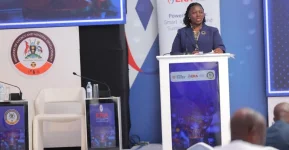
Permanent Secretary Irene Batebe spoke at the Africa Electricity Symposium about regional cooperation plans. She said countries must work together and build strong energy systems. Uganda learned from COVID-19 and current global tensions that regional collaboration matters. The country hosts the Independent Regulatory Board for the East African Power Pool. This organization coordinates cross-border electricity trade among eastern African nations.
Uganda has spent millions on power infrastructure to boost generation and transmission capacity. Hydropower dominates the current energy mix but officials plan diversification. The government promotes geothermal, solar and nuclear energy development. Officials completed extensive geothermal site assessments and gathered investment data. Uganda signed a contract with Korea Hydro and Nuclear Power Company for nuclear program development.
The Korean firm will conduct site evaluation studies for Uganda's first nuclear plant. Buyende district was selected as the location for the nuclear facility. Solar energy offers strong potential since Uganda sits near the equator. Local companies organize to deliver solar projects across the country. Uganda expands transmission networks to connect all citizens to affordable electricity.
Permanent Secretary Irene Batebe spoke at the Africa Electricity Symposium about regional cooperation plans. She said countries must work together and build strong energy systems. Uganda learned from COVID-19 and current global tensions that regional collaboration matters. The country hosts the Independent Regulatory Board for the East African Power Pool. This organization coordinates cross-border electricity trade among eastern African nations.
Uganda has spent millions on power infrastructure to boost generation and transmission capacity. Hydropower dominates the current energy mix but officials plan diversification. The government promotes geothermal, solar and nuclear energy development. Officials completed extensive geothermal site assessments and gathered investment data. Uganda signed a contract with Korea Hydro and Nuclear Power Company for nuclear program development.
The Korean firm will conduct site evaluation studies for Uganda's first nuclear plant. Buyende district was selected as the location for the nuclear facility. Solar energy offers strong potential since Uganda sits near the equator. Local companies organize to deliver solar projects across the country. Uganda expands transmission networks to connect all citizens to affordable electricity.