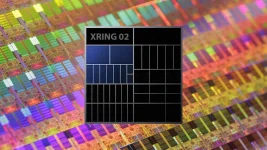
Xiaomi builds a product ecosystem similar to Apple's approach with its new XRING chipset family. The company launched the XRING 01 processor using advanced manufacturing technology from TSMC. Industry experts expressed surprise at Xiaomi's move into custom silicon development. The Chinese tech giant plans to expand beyond smartphones into multiple product categories. Reports suggest the company will introduce the XRING 02 processor for various devices.
Digital Chat Station shared rumors about Xiaomi's next chipset on the Weibo social platform. The XRING 02 will power smartphones, tablets, smartwatches, and cars according to leaked information. Xiaomi has already filed trademark applications for the XRING 02 name and related products. Custom processors give companies more control over their hardware and software integration. Devices using the same chipset can work together more effectively.
The XRING 02 could enable seamless connections between Xiaomi products across different categories. Smartphones and smartwatches might share notifications automatically when using identical processors. Car owners could unlock doors or start engines through their Xiaomi phones and wearables. The chipset running in vehicles might use modified versions with different performance levels. These features would create a unified experience across all Xiaomi products.
Manufacturing challenges may limit the XRING 02's competitive performance against rivals. US restrictions on specialized software tools prevent Chinese companies from accessing cutting-edge production methods. Xiaomi might need to use older 3nm manufacturing processes instead of newer 2nm technology. This limitation could make the XRING 02 less powerful than competing processors from Apple and Qualcomm. The rumors remain unconfirmed as Xiaomi has not announced official ecosystem plans.
Digital Chat Station shared rumors about Xiaomi's next chipset on the Weibo social platform. The XRING 02 will power smartphones, tablets, smartwatches, and cars according to leaked information. Xiaomi has already filed trademark applications for the XRING 02 name and related products. Custom processors give companies more control over their hardware and software integration. Devices using the same chipset can work together more effectively.
The XRING 02 could enable seamless connections between Xiaomi products across different categories. Smartphones and smartwatches might share notifications automatically when using identical processors. Car owners could unlock doors or start engines through their Xiaomi phones and wearables. The chipset running in vehicles might use modified versions with different performance levels. These features would create a unified experience across all Xiaomi products.
Manufacturing challenges may limit the XRING 02's competitive performance against rivals. US restrictions on specialized software tools prevent Chinese companies from accessing cutting-edge production methods. Xiaomi might need to use older 3nm manufacturing processes instead of newer 2nm technology. This limitation could make the XRING 02 less powerful than competing processors from Apple and Qualcomm. The rumors remain unconfirmed as Xiaomi has not announced official ecosystem plans.