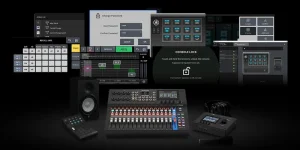
Yamaha has given its MGX mixers, URX interfaces, and CC1 DAW controller a fresh set of tools through three firmware releases. The changes bring more control over EQ, saved scenes, MIDI, and plug-ins. And there's some useful stuff here for both live sound crews and studio users.
MGX users get more room to tweak their mixes with FLEX12GEQ. The graphic EQ can work on the main stereo bus or mix outputs, with 12 bands active from a pool of 31. A GEQ Link feature also lets paired stereo channels share EQ settings. Handy for keeping both sides in sync.
Scene control gets a nice change as well. Recall Safe lets users pick which channels and settings a saved scene can affect. That could help avoid unwanted changes when loading a preset. Console Lock adds a way to block access to the mixer controls, which makes sense in shared spaces.
Yamaha has also cleaned up several parts of the MGX workflow. Send pages, menu options, cue tools, and high-pass filter controls have had some tweaks. Dynamics settings get finer and broader adjustment options as well. Several of these changes carry over to the URX range, though the exact feature set may differ.
The CC1 gets a different kind of update through Control Centre 2. Plug-in profiles let the controller change its control setup based on the tool in use. Rather than setting up the same knobs each time, users can save layouts for supported effects and instruments. Less manual work during a session.
Smart Override takes that idea a bit further. It can map supported tasks to nearby knobs without making users assign each one by hand. For anyone who switches between plug-ins a lot, that could make the CC1 easier to use.
MIDI support has had a boost, with seven types of messages available, such as Pitch Bend and Aftertouch. That gives the controller more ways to work with music software and external gear. Cubase and Nuendo users also get deeper DAW control, thanks to better links with Steinberg's apps.
All three updates are free to access through Yamaha's site. Existing users can get the new features with a firmware install, without having to buy new hardware.