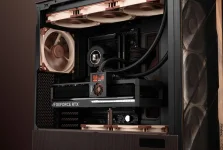
A 12VHPWR GPU connection can be powered either by a direct PSU cable or by an adapter fed from PCIe 8-pin leads. If your power supply maker provides a cable specifically approved for your exact PSU and GPU power requirement, the direct cable is usually the cleaner setup because it removes an extra connection layer. A bundled adapter remains a valid route when the PSU lacks a compatible direct lead and the graphics-card instructions allow it.
The important distinction is not simply native versus adapter. A 12VHPWR PSU cable can run from proprietary modular sockets on the power supply to the 16-pin GPU plug without using a 16-pin socket at the PSU end. The 12V-2x6 header changes and cable compatibility make this easy to miss because the GPU-side connector and the PSU-side wiring answer different compatibility questions.
Monitoring does not change those basic rules. WireView Pro II Noctua Edition conductor monitoring can watch individual 12V-2x6 conductors for uneven current, but even sophisticated monitoring assumes the cable and source connections are electrically appropriate for the system.
Fewer connections do not magically make a native 12VHPWR cable immune to heat or poor seating. The practical advantage is simpler routing and fewer interfaces to inspect. A melted 16-pin adapter incident on an RTX 5090 is a useful example of why every adapter junction deserves the same attention as the GPU socket itself.
An adapter also should not be confused with a dedicated PSU cable that happens to use two modular 8-pin sockets. One joins existing PCIe leads outside the power supply, while the other is a single cable built for a specific modular pinout. The connector shapes alone do not tell you which arrangement you have.
Connector count also explains why a 12VHPWR-to-three-8-pin adapter is not automatically equivalent to a direct 600W 12VHPWR cable. The adapter depends on every required PCIe input being connected as specified, while the direct lead follows the PSU maker's own cable design. A 12VHPWR-to-two-8-pin cable can also be perfectly legitimate when it is a manufacturer-approved direct cable rather than a generic conversion harness.
A PCIe 12VHPWR adapter cable supplied or approved by the PSU manufacturer can therefore be a better fit than a random cable with a 16-pin plug at each end. An ATX 3.1 label does not by itself mean the modular panel must expose a 16-pin socket, so a proper direct GPU lead can still begin at vendor-specific PSU connectors. Choosing a 12VHPWR adapter or PSU cable should start with the PSU compatibility list, the GPU's required input arrangement, and the cable's rated power. Physical fit alone proves very little.
Some current ATX 3.1 supplies make the direct route particularly tidy. The 600W 12V-2x6 cables on newer 1200W PSUs show that a modern high-power setup can use a dedicated lead without a bulky multi-plug adapter hanging beside the graphics card. A 600W label still does not override the need to use the exact cable intended for the PSU.
A 12VHPWR extension cable can make a build look cleaner, but it adds another connector pair and more cable to route. The same trade-off applies to a 90-degree adapter. Use those parts because the layout genuinely needs them, not because another junction looks neater in photos.
Large cards make the physical side of the decision more obvious. A 600W PCIe CEM5 card with tight cable-clearance demands needs room for the plug and cable path beyond the PCB dimensions. Between a 12VHPWR cable and NVIDIA adapter, the better choice for a given build is the approved option that seats fully, routes without strain, supplies the required power, and does not rely on unverified modular wiring.
The important distinction is not simply native versus adapter. A 12VHPWR PSU cable can run from proprietary modular sockets on the power supply to the 16-pin GPU plug without using a 16-pin socket at the PSU end. The 12V-2x6 header changes and cable compatibility make this easy to miss because the GPU-side connector and the PSU-side wiring answer different compatibility questions.
Monitoring does not change those basic rules. WireView Pro II Noctua Edition conductor monitoring can watch individual 12V-2x6 conductors for uneven current, but even sophisticated monitoring assumes the cable and source connections are electrically appropriate for the system.
A direct cable removes one connection layer
A 12VHPWR adapter cable normally exists to let an older or differently wired PSU feed a GPU that expects the newer 16-pin interface. The common GPU-bundled form accepts several conventional PCIe leads and joins them into one GPU plug. A 12VHPWR cable adapter therefore adds mating points that a single direct cable does not need.Fewer connections do not magically make a native 12VHPWR cable immune to heat or poor seating. The practical advantage is simpler routing and fewer interfaces to inspect. A melted 16-pin adapter incident on an RTX 5090 is a useful example of why every adapter junction deserves the same attention as the GPU socket itself.
An adapter also should not be confused with a dedicated PSU cable that happens to use two modular 8-pin sockets. One joins existing PCIe leads outside the power supply, while the other is a single cable built for a specific modular pinout. The connector shapes alone do not tell you which arrangement you have.
Connector count also explains why a 12VHPWR-to-three-8-pin adapter is not automatically equivalent to a direct 600W 12VHPWR cable. The adapter depends on every required PCIe input being connected as specified, while the direct lead follows the PSU maker's own cable design. A 12VHPWR-to-two-8-pin cable can also be perfectly legitimate when it is a manufacturer-approved direct cable rather than a generic conversion harness.
PSU compatibility matters more than connector shape
12VHPWR cables are not interchangeable just because the GPU ends look identical. Modular PSU sockets are manufacturer-specific, and wiring can differ between product families. The 12VHPWR pinout and PSU-side wiring distinction is the part to remember before swapping cables between power supplies.A PCIe 12VHPWR adapter cable supplied or approved by the PSU manufacturer can therefore be a better fit than a random cable with a 16-pin plug at each end. An ATX 3.1 label does not by itself mean the modular panel must expose a 16-pin socket, so a proper direct GPU lead can still begin at vendor-specific PSU connectors. Choosing a 12VHPWR adapter or PSU cable should start with the PSU compatibility list, the GPU's required input arrangement, and the cable's rated power. Physical fit alone proves very little.
Some current ATX 3.1 supplies make the direct route particularly tidy. The 600W 12V-2x6 cables on newer 1200W PSUs show that a modern high-power setup can use a dedicated lead without a bulky multi-plug adapter hanging beside the graphics card. A 600W label still does not override the need to use the exact cable intended for the PSU.
Routing can decide which option actually fits
A direct cable is not an upgrade if the case forces it sideways against the GPU connector. The first section of cable needs enough space to leave the socket without the side panel turning the lead into a lever. The 12VHPWR melting failure path still applies whether the connection uses a direct lead or an adapter.A 12VHPWR extension cable can make a build look cleaner, but it adds another connector pair and more cable to route. The same trade-off applies to a 90-degree adapter. Use those parts because the layout genuinely needs them, not because another junction looks neater in photos.
Large cards make the physical side of the decision more obvious. A 600W PCIe CEM5 card with tight cable-clearance demands needs room for the plug and cable path beyond the PCB dimensions. Between a 12VHPWR cable and NVIDIA adapter, the better choice for a given build is the approved option that seats fully, routes without strain, supplies the required power, and does not rely on unverified modular wiring.