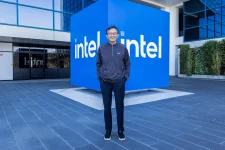
Intel's new chief executive Lip-Bu Tan has started swinging the axe at his company's chip-making operations. The computer giant decided to dump its glass substrate project after years of development work. Team Blue had built up a strong lead over competitors with this cutting-edge technology. The firm wants to cut costs and stick to making processors instead of chasing every new trend. Intel will buy glass substrates from other companies rather than make them at home.
The struggling chip maker also pulled back from selling its 18A manufacturing process to outside customers. Intel's foundry division has failed to deliver results for external partners who wanted custom chips made. The 18A technology will still power Intel's future Panther Lake and Clearwater Forest processors for internal use. Company executives believe their 14A process can challenge Taiwan's TSMC but only with huge customer orders. The foundry business might even get sold off as a separate company if things don't improve.
Tan promised tough choices when he took over the top job at Intel earlier this year. The chip maker has struggled to keep up with rivals like TSMC and Samsung in advanced manufacturing. Intel's foundry dreams have turned into expensive headaches with delays and quality problems. Wall Street analysts wonder if Intel should focus on designing chips rather than making them for others. The company's future direction remains unclear as leadership weighs difficult options ahead.
The struggling chip maker also pulled back from selling its 18A manufacturing process to outside customers. Intel's foundry division has failed to deliver results for external partners who wanted custom chips made. The 18A technology will still power Intel's future Panther Lake and Clearwater Forest processors for internal use. Company executives believe their 14A process can challenge Taiwan's TSMC but only with huge customer orders. The foundry business might even get sold off as a separate company if things don't improve.
Tan promised tough choices when he took over the top job at Intel earlier this year. The chip maker has struggled to keep up with rivals like TSMC and Samsung in advanced manufacturing. Intel's foundry dreams have turned into expensive headaches with delays and quality problems. Wall Street analysts wonder if Intel should focus on designing chips rather than making them for others. The company's future direction remains unclear as leadership weighs difficult options ahead.