CosmicSynth v0.1.0 turns data from space into synth sounds, and it costs nothing. Kael Barba has put out his debut plugin for Windows, giving music makers a way to use signals from deep space to change what they hear. The VST3 instrument is open source, with physics at the heart of its design.
The idea came from Kael's love of space and his studies in physics. Since sound and music rely on physical laws, he wanted to see what could happen when real space data became part of a music tool. Pretty neat for a first project.
Here's where the science comes in. Huge events, such as black holes that crash into each other, can cause waves in spacetime. Sites such as the Laser Interferometer Gravitational-Wave Observatory, or LIGO, can pick up those signals. CosmicSynth lets users load suitable wave data to change the pitch and filter of its audio.
There are five core presets to try, with each one tied to a distinct event or process in space. That gives users a few ways to test the concept without having to set up each sound from scratch.
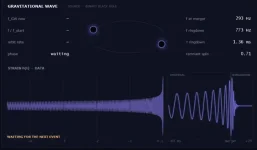
Visual feedback gets some care as well. A display shows the wave data, while a live spectrogram sits beside it. As users play, they can watch the sound change. Handy for seeing how the source data affects the result.
Kael is also keen to hear what people make with the synth. Since this is his first public project, he wants users to share tracks, point out issues, and pitch ideas that may help shape later builds.