TonalBrain charges one credit for each analysis run, with current packs starting at $9 for 50 credits. The plugin itself uses a pay-as-you-go model rather than a monthly subscription, and new users currently get three free credits. Credits do not expire.
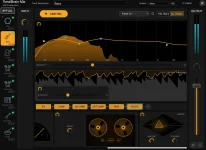
The important detail is what counts as one use. One run can analyze up to 24 tracks, so putting the plugin across a larger selection does not multiply the credit charge track by track. The TonalBrain multitrack analysis workflow costs one credit when you press Analyze, whether the run contains six key channels or the full supported 24.
Older launch coverage can still show five free credits, but the current TonalBrain pricing page says three. Anyone budgeting from an early beta article can therefore start with the wrong allowance before buying anything.
Track count does not change those figures inside a single run. A producer analyzing kick, bass, vocal, and guitars spends the same credit as someone analyzing 24 selected tracks. This makes the 24-track ceiling a workflow limit, not a metered surcharge.
Section snapshots do not turn the product into per-section billing either. You can capture contrasting moments before TonalBrain makes its decision, while the paid event remains the analysis run itself. The practical cost starts moving when you ask for another fresh analysis after changing the session.
The economics of usage-priced software are easy to see here. You avoid paying every month just to keep access, but repeated use has a visible marginal cost. For occasional mixing, that can feel cleaner than another subscription sitting on the card.
Three analyses on one song consume three credits. Ten songs at three analyses each use 30, which still fits inside the $9 Starter pack with 20 credits left. A 12-song project with four analyses per song uses 48 credits, leaving almost no room for experiments before another top-up.
The credit model therefore rewards committing meaningful production changes before pressing Analyze again. Small manual edits to the generated EQ, compression, width, saturation, or other modules do not require you to rerun the whole system. Burning a fresh credit because the vocal needs a tiny level adjustment makes little sense when the existing result remains editable.
Bigger arrangement changes are different. Adding a new lead instrument or replacing the drums can alter the relationships TonalBrain was judging, so a new run may be justified. The useful budgeting unit is not songs completed. It is how often your sessions genuinely need a new global decision.
This distinction matters for producers who iterate heavily. A songwriter who runs TonalBrain twice near the end of each mix will stretch 50 credits much further than someone who treats Analyze as an audition button and fires it after every small change.
Studio shifts the calculation again. Two Creator packs cost $50 for 400 credits, while the $59 Studio pack supplies 600. Nine extra dollars buys another 200 analyses, but only if those credits eventually get used.
Expiry does not create pressure because TonalBrain says purchased credits never expire and are shared across your personal devices. A producer can buy a larger pack during a busy stretch and leave the remainder untouched without a monthly reset wiping it out.
No subscription also means there is no automatic monthly allowance to burn before renewal. Cost follows analysis frequency instead. For a light user, 50 credits can represent many finished songs. For someone rerunning dense client sessions all day, the interesting number is not the advertised price per credit but how disciplined the Analyze button remains after the first pass.
The important detail is what counts as one use. One run can analyze up to 24 tracks, so putting the plugin across a larger selection does not multiply the credit charge track by track. The TonalBrain multitrack analysis workflow costs one credit when you press Analyze, whether the run contains six key channels or the full supported 24.
Older launch coverage can still show five free credits, but the current TonalBrain pricing page says three. Anyone budgeting from an early beta article can therefore start with the wrong allowance before buying anything.
One credit buys a full multitrack decision
TonalBrain currently sells 50 credits for $9, 200 for $25, and 600 for $59. Those packs work out to 18 cents, 12.5 cents, and just under 10 cents per analysis respectively. TonalBrain rounds the latter two on its pricing page to 13 cents and 10 cents per credit.Track count does not change those figures inside a single run. A producer analyzing kick, bass, vocal, and guitars spends the same credit as someone analyzing 24 selected tracks. This makes the 24-track ceiling a workflow limit, not a metered surcharge.
Section snapshots do not turn the product into per-section billing either. You can capture contrasting moments before TonalBrain makes its decision, while the paid event remains the analysis run itself. The practical cost starts moving when you ask for another fresh analysis after changing the session.
The economics of usage-priced software are easy to see here. You avoid paying every month just to keep access, but repeated use has a visible marginal cost. For occasional mixing, that can feel cleaner than another subscription sitting on the card.
Reruns decide what each song really costs
A first-pass mix can cost one credit. Real sessions rarely stop there, though. You may replace a bass sound, rewrite the chorus, rebalance the drums, change the vocal chain, or simply dislike the first result and run the analysis again.Three analyses on one song consume three credits. Ten songs at three analyses each use 30, which still fits inside the $9 Starter pack with 20 credits left. A 12-song project with four analyses per song uses 48 credits, leaving almost no room for experiments before another top-up.
The credit model therefore rewards committing meaningful production changes before pressing Analyze again. Small manual edits to the generated EQ, compression, width, saturation, or other modules do not require you to rerun the whole system. Burning a fresh credit because the vocal needs a tiny level adjustment makes little sense when the existing result remains editable.
Bigger arrangement changes are different. Adding a new lead instrument or replacing the drums can alter the relationships TonalBrain was judging, so a new run may be justified. The useful budgeting unit is not songs completed. It is how often your sessions genuinely need a new global decision.
This distinction matters for producers who iterate heavily. A songwriter who runs TonalBrain twice near the end of each mix will stretch 50 credits much further than someone who treats Analyze as an audition button and fires it after every small change.
Larger packs pay off only when reruns are normal
The $25 Creator pack is not merely a discounted Starter pack. Three Starter purchases would cost $27 for 150 credits, while Creator gives 200 for $25. Once your usage starts pushing well beyond 100 analyses, repeatedly buying the smallest pack becomes harder to justify.Studio shifts the calculation again. Two Creator packs cost $50 for 400 credits, while the $59 Studio pack supplies 600. Nine extra dollars buys another 200 analyses, but only if those credits eventually get used.
Expiry does not create pressure because TonalBrain says purchased credits never expire and are shared across your personal devices. A producer can buy a larger pack during a busy stretch and leave the remainder untouched without a monthly reset wiping it out.
No subscription also means there is no automatic monthly allowance to burn before renewal. Cost follows analysis frequency instead. For a light user, 50 credits can represent many finished songs. For someone rerunning dense client sessions all day, the interesting number is not the advertised price per credit but how disciplined the Analyze button remains after the first pass.