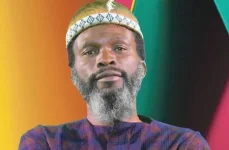
Joshua Marara Maponga III was born on July 18, 1973, in Masvingo Province, Zimbabwe. His birth story carries deep cultural significance that would shape his entire worldview. Maponga arrived in his grandmother's traditional kitchen, a structure with a classic thatched roof that represented authentic African village life. This humble beginning in his gogo's kitchen became a defining moment that connected him permanently to his African roots and traditional values.
His parents, Lazarus and Sibanda Maponga, raised Joshua alongside four siblings in a household where faith and resilience dominated daily life. The family faced significant challenges during Zimbabwe's tumultuous political period. Lazarus Maponga had endured imprisonment for his political involvement during the Rhodesian era, spending time on death row before gaining freedom through the 1979 amnesty for political prisoners. This traumatic experience fundamentally changed the family's direction and priorities.
After his release, Lazarus made a dramatic life change, abandoning politics completely and dedicating himself to pastoral work. The elder Maponga's transformation from political activist to religious leader created a protective environment for young Joshua. Lazarus insisted that his eldest son stay away from politics entirely, steering him toward spiritual and educational pursuits instead. This paternal guidance would prove instrumental in shaping Joshua's career trajectory and philosophical development.
The young man's quest for knowledge eventually led him across continents to Andrews University in Berrien Springs, Michigan, United States. This prestigious institution provided the academic foundation for his multifaceted career. At Andrews University, Joshua pursued a Bachelor of Arts degree in Philosophy with a concentration in Theology and Personal Ministries. The rigorous academic environment exposed him to diverse philosophical traditions and theological perspectives that would later inform his unique worldview.
His educational journey didn't end with his undergraduate degree. Joshua continued expanding his knowledge through Construction Entrepreneurial Training, an initiative supported by the International Labour Organization. This program developed local consultants and provided support for emerging contractors and manufacturers across developing nations. The practical skills gained through this training would later prove valuable in his entrepreneurial ventures and community development projects.
His ministry work extended far beyond Zimbabwe's borders, reaching multiple African nations, including South Africa, Lesotho, Nigeria, Kenya, and Botswana. These international experiences exposed Joshua to diverse cultures and religious practices across the continent. Each location provided unique insights into African spirituality and the challenges facing contemporary African societies. His travels broadened his perspective and reinforced his commitment to Pan-African ideals and indigenous African values.
During his three decades in pastoral work, Joshua developed a reputation as an innovative thinker who challenged conventional religious teachings. His sermons often blended traditional African wisdom with Christian doctrine, creating a unique theological perspective that resonated with many congregants. This approach earned him the nickname "Creative Powerhouse" among his followers and colleagues.
However, his unconventional methods and controversial statements eventually created tension with church authorities. Joshua's theological interpretations began to diverge significantly from mainstream Seventh-Day Adventist teachings. His emphasis on African spirituality and criticism of Western religious influences challenged established church doctrine, creating uncomfortable situations for denominational leaders.
The church leadership officially suspended Joshua from all activities within the Southern and Indian Ocean regions of the Seventh-day Adventist Church. This dramatic action effectively ended his three-decade career as an SDA pastor, forcing him to reassess his religious identity and ministerial calling. The suspension created significant controversy within religious circles and among his dedicated followers.
Rather than viewing this setback as a defeat, Joshua embraced the opportunity to develop his theological framework. He began articulating what he called "the gospel according to Maponga," a unique blend of Christian principles, African spirituality, and philosophical inquiry. This new approach freed him from denominational constraints, allowing him to explore previously off-limits topics.
The institute operates on the principle that intellectual development must precede meaningful social and economic transformation. Joshua's approach emphasizes the expansion of consciousness and the quality of human experience rather than mere material accumulation. His programs focus on developing critical thinking skills, cultural awareness, and leadership capabilities among participants.
Joshua also established two significant non-governmental organizations that reflect his commitment to African development and cultural preservation. The Zimbabwe Indigenous Movement addresses domestic issues within Zimbabwe, with a focus on cultural restoration and economic empowerment. The African Indigenous Movement operates on a continental scale, working to preserve and promote indigenous African knowledge systems and practices.
These organizations serve as repositories for intellectual property related to African transformation and development. Joshua envisions them as templates that other nations can adapt and implement according to their specific circumstances and cultural contexts. His work through these platforms demonstrates his commitment to practical solutions for contemporary African challenges.
He expanded his television presence with additional programs, including "Behind The Gospel," "Late Debate," and "Education Channel ED." These shows allowed him to explore various topics, including spirituality, social issues, education, and African development. His media work helped establish him as a prominent public intellectual and thought leader across Southern Africa.
Through television, Joshua reached audiences who might not encounter his message through traditional religious channels. His programs often featured controversial discussions about race, religion, and African identity. These broadcasts contributed to his growing reputation as a provocative thinker who challenged conventional wisdom and encouraged critical examination of established beliefs.
His media success also created opportunities for international speaking engagements, expanding his influence beyond traditional religious circles. The visibility gained through television helped establish his credentials as a motivational speaker and social entrepreneur.
His notable publications include "So You Want to Be the Master," available in both hardback and paperback editions. This work explores themes of leadership, personal development, and social responsibility. The book reflects his belief that true mastery requires an understanding of oneself, one's community, and cultural heritage.
Other published works include "Shopping Skills" and "Going Places In The Spirit," each addressing different aspects of personal and spiritual development. His writing style combines academic rigor with accessible language, rendering complex philosophical concepts understandable to a general audience. These books have found readership across Africa and among diaspora communities worldwide.
His literary work reinforces themes that appear consistently throughout his speaking and broadcasting career. These include the importance of African cultural identity, the need for intellectual independence, and the value of indigenous knowledge systems. His books serve as comprehensive guides for individuals seeking to understand his philosophical framework and apply his teachings to their own lives.
The statement resulted in Joshua appearing before the Port Elizabeth Equality Court in November 2018. LGBT activist groups filed formal complaints against him, arguing that his comments constituted hate speech and discrimination. The case garnered significant media attention, prompting the Seventh-day Adventist Church to publicly distance itself from his remarks.
Church officials denied that Joshua held any official position within their organization at the time of the incident, attempting to minimize their association with his controversial statements. This denial contributed to the eventual breakdown in his relationship with the denomination and accelerated his departure from mainstream religious circles.
These legal challenges highlighted the tension between Joshua's conservative religious views and contemporary human rights perspectives. His supporters argued that he was expressing legitimate religious beliefs, while critics accused him of promoting discrimination and intolerance. The controversy continues to shape public discourse on the balance between religious freedom and equality rights in South African society.
Central to his theology is the belief that African people must reclaim their spiritual heritage and reject European interpretations of Christianity. He contends that Western religious leaders have used promises of heavenly rewards to distract African people from addressing earthly injustices and economic exploitation. This perspective forms the foundation of his criticism of traditional missionary activities and contemporary religious practices.
His theological framework includes controversial assertions about the racial identity of Jesus Christ. Joshua argues that a white Jesus could not genuinely die for black people because white people lack the emotional capacity to make such sacrifices for African welfare. These statements reflect his broader critique of racial dynamics within religious contexts and challenge conventional Christian iconography.
He promotes what he calls "African spirituality" as an alternative to Western-influenced Christianity. This approach emphasizes connection to ancestral wisdom, respect for traditional cultural practices, and recognition of indigenous African contributions to human civilization. His philosophy encourages African people to develop intellectual and spiritual independence from European influences.
His return to Zimbabwe has enabled him to pursue ambitious development projects that reflect his philosophical commitments and vision for African advancement. He has acquired property in Beatrice, Harare, where he plans to create a village or sanctuary that embodies African spiritual principles and traditional values. This project represents the practical application of his theoretical framework.
The planned sanctuary will serve as a center for African spirituality and cultural education. Joshua envisions it as a place where visitors can remove their shoes, walk among traditional structures, and engage in meaningful conversations about African heritage and contemporary challenges. The project draws inspiration from the work of respected African cultural leaders such as Credo Mutwa.
He has also launched a program called Social Re-engineering, which aims to transform African mindsets and encourage appreciation for indigenous food, clothing, medicine, and village life. This initiative reflects his belief that African people must reconnect with their cultural roots and reject the urban lifestyle that disconnects them from traditional values and practices.
His emphasis on intellectual independence resonates with scholars and activists who advocate for African-centered approaches to education, spirituality, and social development. His critique of Western influences has contributed to ongoing discussions about decolonization and cultural authenticity across the continent.
The Institute for Farmers of Thought has produced graduates who carry Joshua's ideas into various sectors of African society. These individuals work in education, business, government, and civil society organizations, spreading their message and applying their principles to practical challenges. This multiplier effect extends his influence far beyond his direct audience.
His media presence and published works have reached international audiences, including African diaspora communities in Europe and North America. These groups often struggle with questions of cultural identity and spiritual authenticity that Joshua addresses directly in his teachings and writings.
His economic philosophy emphasizes the importance of intellectual property and knowledge creation as foundations for sustainable African development. He argues that African nations must move beyond resource extraction and manufacturing to become creators and exporters of intellectual content and innovative solutions.
Through his various organizations and business ventures, Joshua models the type of entrepreneurship he believes African leaders should embrace. His approach combines profit generation with social impact, demonstrating that economic success and cultural preservation can coexist and mutually reinforce one another.
His investment in land and property development in Zimbabwe reflects his belief that African people should build wealth within Africa rather than expatriating their resources to other continents. This perspective aligns with his broader philosophy about African self-reliance and cultural autonomy.
His family background continues to influence his worldview and philosophical development. The memory of his father's imprisonment and subsequent transformation shapes his understanding of resilience and spiritual growth. His birth in his grandmother's traditional kitchen serves as a constant reminder of his connection to African village life and cultural traditions.
His current family situation includes plans to create a family compound in Zimbabwe that will serve both personal and community purposes. This project reflects his belief that successful African leaders should invest in their home communities and create spaces that preserve and promote traditional values.
The balance between his public role as a thought leader and his private life as a father and community member demonstrates his commitment to practicing the principles he teaches others. His personal choices consistently reflect his philosophical commitments and public statements.
His recognition reflects growing appreciation for African intellectuals who combine academic credentials with practical community engagement. His ability to translate complex philosophical concepts into accessible programs and initiatives has earned respect from both scholarly and popular audiences.
International recognition has created opportunities for speaking engagements and collaborative projects with institutions and organizations across multiple continents. These partnerships expand his influence and provide platforms for sharing his message with new audiences.
The awards and recognition he has received validate his approach to African intellectual leadership and encourage other young African thinkers to pursue similar paths of scholarship combined with practical community service.
His Social Re-engineering program continues to attract participants who want to reconnect with African cultural traditions and develop more authentic relationships with their heritage. This work represents the practical application of his theoretical framework, demonstrating his commitment to achieving measurable social impact.
He maintains active engagement with media platforms and continues to produce content that challenges conventional thinking about African development, spirituality, and cultural identity. His ongoing media presence ensures that his message reaches new generations of African youth, who are seeking alternative perspectives on identity and success.
His current work emphasizes the importance of preparing for retirement and old age in ways that honor African traditions and values. He encourages people to invest in rural properties and develop connections to village life rather than depending entirely on urban infrastructure and services throughout their lives.
The combination of his sanctuary project, educational initiatives, and media work represents a comprehensive approach to African cultural preservation and intellectual development that could serve as a model for other African intellectuals and leaders seeking to create lasting positive change in their communities.
His parents, Lazarus and Sibanda Maponga, raised Joshua alongside four siblings in a household where faith and resilience dominated daily life. The family faced significant challenges during Zimbabwe's tumultuous political period. Lazarus Maponga had endured imprisonment for his political involvement during the Rhodesian era, spending time on death row before gaining freedom through the 1979 amnesty for political prisoners. This traumatic experience fundamentally changed the family's direction and priorities.
After his release, Lazarus made a dramatic life change, abandoning politics completely and dedicating himself to pastoral work. The elder Maponga's transformation from political activist to religious leader created a protective environment for young Joshua. Lazarus insisted that his eldest son stay away from politics entirely, steering him toward spiritual and educational pursuits instead. This paternal guidance would prove instrumental in shaping Joshua's career trajectory and philosophical development.
Academic Journey and Educational Foundations
Joshua's educational path began at Solusi Adventist Secondary School, where he completed his high school studies and then advanced to Solusi University. His academic interests initially pointed toward engineering or medicine, practical fields that promised stable careers and societal contribution. However, his father's influence gradually redirected these ambitions toward theological studies and philosophical inquiry.The young man's quest for knowledge eventually led him across continents to Andrews University in Berrien Springs, Michigan, United States. This prestigious institution provided the academic foundation for his multifaceted career. At Andrews University, Joshua pursued a Bachelor of Arts degree in Philosophy with a concentration in Theology and Personal Ministries. The rigorous academic environment exposed him to diverse philosophical traditions and theological perspectives that would later inform his unique worldview.
His educational journey didn't end with his undergraduate degree. Joshua continued expanding his knowledge through Construction Entrepreneurial Training, an initiative supported by the International Labour Organization. This program developed local consultants and provided support for emerging contractors and manufacturers across developing nations. The practical skills gained through this training would later prove valuable in his entrepreneurial ventures and community development projects.
Religious Career and Pastoral Ministry
Joshua's pastoral career began in 1991 when he joined the Seventh-Day Adventist Church as an ordained minister. His father's encouragement and personal spiritual awakening during his youth had prepared him for this calling. The young pastor demonstrated remarkable dedication and charisma that quickly distinguished him within the religious community. His passionate preaching style and intellectual approach to theology earned him recognition as a dynamic spiritual leader.His ministry work extended far beyond Zimbabwe's borders, reaching multiple African nations, including South Africa, Lesotho, Nigeria, Kenya, and Botswana. These international experiences exposed Joshua to diverse cultures and religious practices across the continent. Each location provided unique insights into African spirituality and the challenges facing contemporary African societies. His travels broadened his perspective and reinforced his commitment to Pan-African ideals and indigenous African values.
During his three decades in pastoral work, Joshua developed a reputation as an innovative thinker who challenged conventional religious teachings. His sermons often blended traditional African wisdom with Christian doctrine, creating a unique theological perspective that resonated with many congregants. This approach earned him the nickname "Creative Powerhouse" among his followers and colleagues.
However, his unconventional methods and controversial statements eventually created tension with church authorities. Joshua's theological interpretations began to diverge significantly from mainstream Seventh-Day Adventist teachings. His emphasis on African spirituality and criticism of Western religious influences challenged established church doctrine, creating uncomfortable situations for denominational leaders.
Suspension and Religious Controversy
The tensions between Joshua and the Seventh-Day Adventist Church reached a breaking point in 2020. Michael Rugube Ngwaru, serving as the Director of Southern Africa Evangelism, Personal Ministries, and Nurture and Retention, raised serious concerns about the nature and delivery of Joshua's messages. Church authorities determined that his teachings had strayed too far from accepted denominational positions.The church leadership officially suspended Joshua from all activities within the Southern and Indian Ocean regions of the Seventh-day Adventist Church. This dramatic action effectively ended his three-decade career as an SDA pastor, forcing him to reassess his religious identity and ministerial calling. The suspension created significant controversy within religious circles and among his dedicated followers.
Rather than viewing this setback as a defeat, Joshua embraced the opportunity to develop his theological framework. He began articulating what he called "the gospel according to Maponga," a unique blend of Christian principles, African spirituality, and philosophical inquiry. This new approach freed him from denominational constraints, allowing him to explore previously off-limits topics.
Entrepreneurial Ventures and Leadership Development
Following his religious suspension, Joshua channeled his energy into entrepreneurial activities and leadership development initiatives. He founded the Institute for Farmers of Thought, an organization dedicated to nurturing young leaders and developing intellectual capacity across Africa. This institute became his primary platform for sharing knowledge and mentoring the next generation of African thinkers and leaders.The institute operates on the principle that intellectual development must precede meaningful social and economic transformation. Joshua's approach emphasizes the expansion of consciousness and the quality of human experience rather than mere material accumulation. His programs focus on developing critical thinking skills, cultural awareness, and leadership capabilities among participants.
Joshua also established two significant non-governmental organizations that reflect his commitment to African development and cultural preservation. The Zimbabwe Indigenous Movement addresses domestic issues within Zimbabwe, with a focus on cultural restoration and economic empowerment. The African Indigenous Movement operates on a continental scale, working to preserve and promote indigenous African knowledge systems and practices.
These organizations serve as repositories for intellectual property related to African transformation and development. Joshua envisions them as templates that other nations can adapt and implement according to their specific circumstances and cultural contexts. His work through these platforms demonstrates his commitment to practical solutions for contemporary African challenges.
Television Career and Media Presence
Joshua's media career began with his television show "Joshua," which premiered on One Gospel in 2010. The program provided a platform for his unique theological perspectives and philosophical insights. His engaging presentation style and thought-provoking content attracted a substantial audience across the DSTV network and beyond.He expanded his television presence with additional programs, including "Behind The Gospel," "Late Debate," and "Education Channel ED." These shows allowed him to explore various topics, including spirituality, social issues, education, and African development. His media work helped establish him as a prominent public intellectual and thought leader across Southern Africa.
Through television, Joshua reached audiences who might not encounter his message through traditional religious channels. His programs often featured controversial discussions about race, religion, and African identity. These broadcasts contributed to his growing reputation as a provocative thinker who challenged conventional wisdom and encouraged critical examination of established beliefs.
His media success also created opportunities for international speaking engagements, expanding his influence beyond traditional religious circles. The visibility gained through television helped establish his credentials as a motivational speaker and social entrepreneur.
Literary Contributions and Published Works
Joshua's intellectual contributions extend beyond speaking and broadcasting to include substantial written works. His books document his philosophical evolution and provide detailed explanations of his theological and social theories. These publications serve as a permanent record of his thinking, allowing readers to engage deeply with his ideas.His notable publications include "So You Want to Be the Master," available in both hardback and paperback editions. This work explores themes of leadership, personal development, and social responsibility. The book reflects his belief that true mastery requires an understanding of oneself, one's community, and cultural heritage.
Other published works include "Shopping Skills" and "Going Places In The Spirit," each addressing different aspects of personal and spiritual development. His writing style combines academic rigor with accessible language, rendering complex philosophical concepts understandable to a general audience. These books have found readership across Africa and among diaspora communities worldwide.
His literary work reinforces themes that appear consistently throughout his speaking and broadcasting career. These include the importance of African cultural identity, the need for intellectual independence, and the value of indigenous knowledge systems. His books serve as comprehensive guides for individuals seeking to understand his philosophical framework and apply his teachings to their own lives.
Controversial Statements and Legal Challenges
Joshua's career has been marked by several significant controversies that have shaped public perception of his work and message. The most notable incident occurred in 2018 when he made derogatory statements about the LGBT community during a church service in KwaMagxaki. His comments, which described homosexuals as "inferior to animals," generated immediate backlash and legal consequences.The statement resulted in Joshua appearing before the Port Elizabeth Equality Court in November 2018. LGBT activist groups filed formal complaints against him, arguing that his comments constituted hate speech and discrimination. The case garnered significant media attention, prompting the Seventh-day Adventist Church to publicly distance itself from his remarks.
Church officials denied that Joshua held any official position within their organization at the time of the incident, attempting to minimize their association with his controversial statements. This denial contributed to the eventual breakdown in his relationship with the denomination and accelerated his departure from mainstream religious circles.
These legal challenges highlighted the tension between Joshua's conservative religious views and contemporary human rights perspectives. His supporters argued that he was expressing legitimate religious beliefs, while critics accused him of promoting discrimination and intolerance. The controversy continues to shape public discourse on the balance between religious freedom and equality rights in South African society.
Philosophy and Theological Framework
Joshua has developed a distinctive philosophical and theological framework that blends Christian principles with African traditional beliefs and contemporary social criticism. His approach challenges what he perceives as the Western colonization of African spirituality and religion. He argues that Christianity as practiced in Africa has been distorted by European cultural influences that suppress authentic African spiritual traditions.Central to his theology is the belief that African people must reclaim their spiritual heritage and reject European interpretations of Christianity. He contends that Western religious leaders have used promises of heavenly rewards to distract African people from addressing earthly injustices and economic exploitation. This perspective forms the foundation of his criticism of traditional missionary activities and contemporary religious practices.
His theological framework includes controversial assertions about the racial identity of Jesus Christ. Joshua argues that a white Jesus could not genuinely die for black people because white people lack the emotional capacity to make such sacrifices for African welfare. These statements reflect his broader critique of racial dynamics within religious contexts and challenge conventional Christian iconography.
He promotes what he calls "African spirituality" as an alternative to Western-influenced Christianity. This approach emphasizes connection to ancestral wisdom, respect for traditional cultural practices, and recognition of indigenous African contributions to human civilization. His philosophy encourages African people to develop intellectual and spiritual independence from European influences.
Return to Zimbabwe and Current Projects
After spending over two decades in South Africa, Joshua has recently returned to Zimbabwe. His relocation was partly influenced by the #PutSouthAfricansFirst campaign, which opposed foreign involvement in South African social and political issues. Rather than characterizing his departure as deportation, Joshua described it as a response to the legitimate desires of South African citizens.His return to Zimbabwe has enabled him to pursue ambitious development projects that reflect his philosophical commitments and vision for African advancement. He has acquired property in Beatrice, Harare, where he plans to create a village or sanctuary that embodies African spiritual principles and traditional values. This project represents the practical application of his theoretical framework.
The planned sanctuary will serve as a center for African spirituality and cultural education. Joshua envisions it as a place where visitors can remove their shoes, walk among traditional structures, and engage in meaningful conversations about African heritage and contemporary challenges. The project draws inspiration from the work of respected African cultural leaders such as Credo Mutwa.
He has also launched a program called Social Re-engineering, which aims to transform African mindsets and encourage appreciation for indigenous food, clothing, medicine, and village life. This initiative reflects his belief that African people must reconnect with their cultural roots and reject the urban lifestyle that disconnects them from traditional values and practices.
Impact on African Intellectual Discourse
Joshua's contributions to African intellectual discourse extend beyond his immediate followers and the religious communities to which he belonged. His willingness to challenge conventional wisdom and question established authorities has encouraged broader discussions about African identity, spiritual autonomy, and cultural preservation. His work has influenced academic debates about postcolonial African development and the role of indigenous knowledge systems.His emphasis on intellectual independence resonates with scholars and activists who advocate for African-centered approaches to education, spirituality, and social development. His critique of Western influences has contributed to ongoing discussions about decolonization and cultural authenticity across the continent.
The Institute for Farmers of Thought has produced graduates who carry Joshua's ideas into various sectors of African society. These individuals work in education, business, government, and civil society organizations, spreading their message and applying their principles to practical challenges. This multiplier effect extends his influence far beyond his direct audience.
His media presence and published works have reached international audiences, including African diaspora communities in Europe and North America. These groups often struggle with questions of cultural identity and spiritual authenticity that Joshua addresses directly in his teachings and writings.
Financial Success and Economic Philosophy
Joshua's diverse career activities have generated substantial financial returns that support his various projects and initiatives. Estimates place his net worth between $500,000 and $750,000, reflecting the successful monetization of his intellectual property and media presence. His financial success demonstrates the commercial viability of African-centered content and programming.His economic philosophy emphasizes the importance of intellectual property and knowledge creation as foundations for sustainable African development. He argues that African nations must move beyond resource extraction and manufacturing to become creators and exporters of intellectual content and innovative solutions.
Through his various organizations and business ventures, Joshua models the type of entrepreneurship he believes African leaders should embrace. His approach combines profit generation with social impact, demonstrating that economic success and cultural preservation can coexist and mutually reinforce one another.
His investment in land and property development in Zimbabwe reflects his belief that African people should build wealth within Africa rather than expatriating their resources to other continents. This perspective aligns with his broader philosophy about African self-reliance and cultural autonomy.
Personal Life and Family Relationships
Joshua maintains a relatively private life regarding his relationships and family. He has two daughters from his first marriage, though details about his wife and family circumstances remain largely undisclosed. This privacy reflects his preference for keeping personal matters separate from his public persona and professional activities.His family background continues to influence his worldview and philosophical development. The memory of his father's imprisonment and subsequent transformation shapes his understanding of resilience and spiritual growth. His birth in his grandmother's traditional kitchen serves as a constant reminder of his connection to African village life and cultural traditions.
His current family situation includes plans to create a family compound in Zimbabwe that will serve both personal and community purposes. This project reflects his belief that successful African leaders should invest in their home communities and create spaces that preserve and promote traditional values.
The balance between his public role as a thought leader and his private life as a father and community member demonstrates his commitment to practicing the principles he teaches others. His personal choices consistently reflect his philosophical commitments and public statements.
Recognition and Awards
Joshua's contributions to African intellectual discourse and community development have earned recognition from various organizations and institutions. The PAP Global Awards 2023 recognized his work as a Pan-Africanist and acknowledged his influence on contemporary African thought and activism.His recognition reflects growing appreciation for African intellectuals who combine academic credentials with practical community engagement. His ability to translate complex philosophical concepts into accessible programs and initiatives has earned respect from both scholarly and popular audiences.
International recognition has created opportunities for speaking engagements and collaborative projects with institutions and organizations across multiple continents. These partnerships expand his influence and provide platforms for sharing his message with new audiences.
The awards and recognition he has received validate his approach to African intellectual leadership and encourage other young African thinkers to pursue similar paths of scholarship combined with practical community service.
Current Activities and Plans
Joshua continues to develop his sanctuary project in Beatrice while expanding his educational and cultural preservation work throughout Zimbabwe. His current activities focus on creating sustainable institutions that will continue his work beyond his involvement and influence.His Social Re-engineering program continues to attract participants who want to reconnect with African cultural traditions and develop more authentic relationships with their heritage. This work represents the practical application of his theoretical framework, demonstrating his commitment to achieving measurable social impact.
He maintains active engagement with media platforms and continues to produce content that challenges conventional thinking about African development, spirituality, and cultural identity. His ongoing media presence ensures that his message reaches new generations of African youth, who are seeking alternative perspectives on identity and success.
His current work emphasizes the importance of preparing for retirement and old age in ways that honor African traditions and values. He encourages people to invest in rural properties and develop connections to village life rather than depending entirely on urban infrastructure and services throughout their lives.
The combination of his sanctuary project, educational initiatives, and media work represents a comprehensive approach to African cultural preservation and intellectual development that could serve as a model for other African intellectuals and leaders seeking to create lasting positive change in their communities.