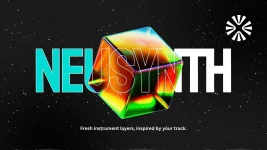
NeuTune has introduced NeuSynth, an AI plugin that makes new instrument parts from audio already in a DAW. Producers can feed it a clip, choose up to six instruments, and get four sets of parts to test against their track.
The process starts with a piece of source audio called Context. Users can drag in up to 60 seconds from their session and play it back before they generate anything. That source clip acts as a guide, and using it costs no credits.
From there, producers can steer the output in a few ways. They can pick instrument types, give NeuSynth another audio clip as a reference, or enter a text prompt. The AI then builds parts meant to fit with the music already in the project.
Each run gives four choices, and every choice has its own WAV file for each instrument. Those parts are made to work as a group, rather than as random tracks. Users can play each set with the source and hear which one fits best.
And there's no need to take the full set. A producer can grab just one instrument or bring every part into the DAW at once. Drag-and-drop export keeps that step simple, with each sound ready for more editing in the session.
Privacy gets some attention as well. NeuTune says artists keep the rights to the music they upload, and projects start out private. Users can also stop their material from helping train future AI models without losing access to the plugin.
The credit system is worth a close look. One credit pays for one instrument variation of up to 30 seconds. Since a run makes four versions, a single 30-second instrument part uses four credits. Extra length gets billed in further 30-second blocks, with any partial block counting.
Starter costs $4.99 a month and comes with 150 credits. Creator is $9.99 with 400 credits each month. There's a free trial for those who want to test how the parts fit before paying.
NeuSynth is available on macOS, while a Windows release is planned. For producers building arrangements from existing tracks, the main idea is simple. Give the plugin some music, pick the parts that are missing, and audition four takes before choosing what belongs in the project.